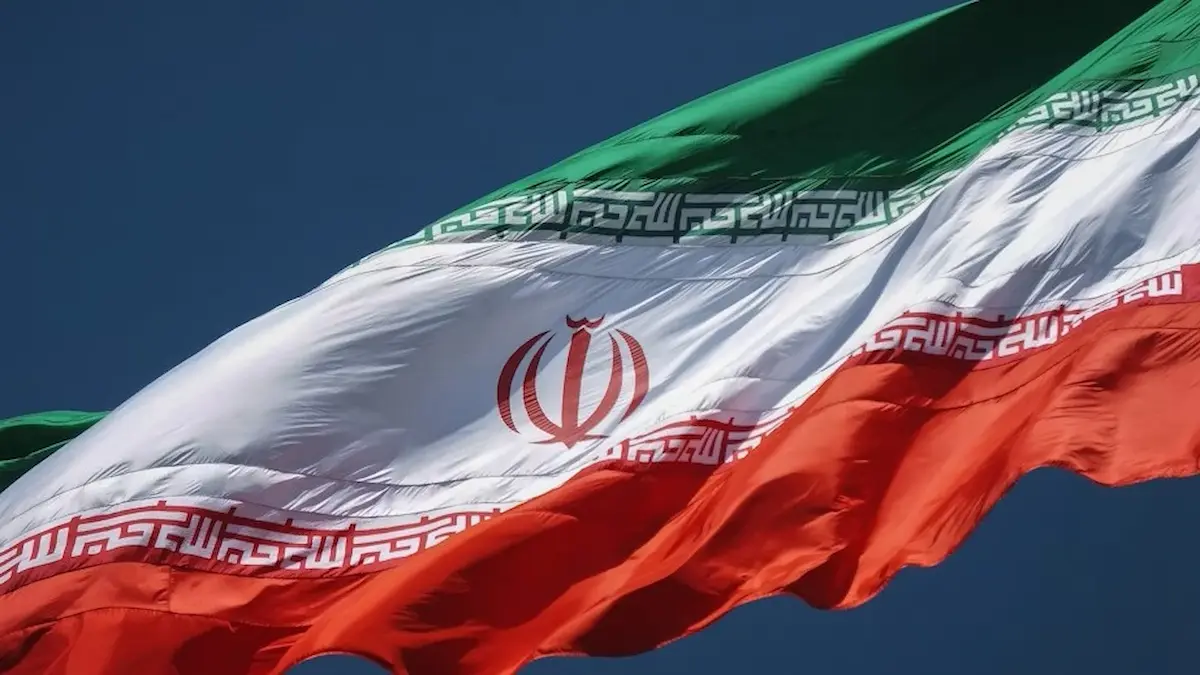
Iran alone will decide how to use its soon-to-be-unfrozen assets, the country’s UN ambassador in Geneva said on Tuesday, rejecting a U.S. claim that Washington would have any control over the funds. Ali Bahreini said the roughly $12 billion would not be subject to U.S. oversight, nor be required to buy American goods, disputing comments made by U.S. Vice President JD Vance.
The U.S. waived sanctions on Iran for 60 days from Monday, following talks in Switzerland aimed at turning an interim deal into a lasting peace agreement. About $12 billion in frozen Iranian assets is expected to be released under the initial accord.
U.S. Vice President JD Vance said on Monday that the Iranian assets would be under the control of the U.S. and Qatar once unfrozen, and that the money could be spent on U.S. corn, soy and wheat. Iran’s ambassador to the United Nations in Geneva, Ali Bahreini, said on Tuesday that the two sides had held positive talks but disputed Vance’s statement on how the assets would be used. He insisted that Iran alone would decide what to do with the funds, and rejected any suggestion that another country could influence those decisions.
He also said two working groups would be established in the coming days to discuss the removal of sanctions against Iran and issues related to Iranian nuclear activities. Iran’s frozen assets consist largely of oil revenues and central bank reserves held overseas, built up over years of sanctions.
Bahreini stressed that an end to the fighting in Lebanon was important to the U.S.-Iranian deal. Israel, a U.S. ally, has been fighting the Iran-aligned Hezbollah group in Lebanon. Bahreini said any further attack on Lebanon was Iran’s “red line,” and urged the U.S. to “use all its leverage” on Israel to end the violence.
A ceasefire has largely held in southern Lebanon since Sunday. However, Lebanon’s Civil Defence and state media said Israeli gunfire killed two people there on Tuesday, and Hezbollah said the incident violated the ceasefire. The Israeli military said it had struck “armed terrorists who posed an immediate threat” to its soldiers, though it was not clear if this was the same incident.